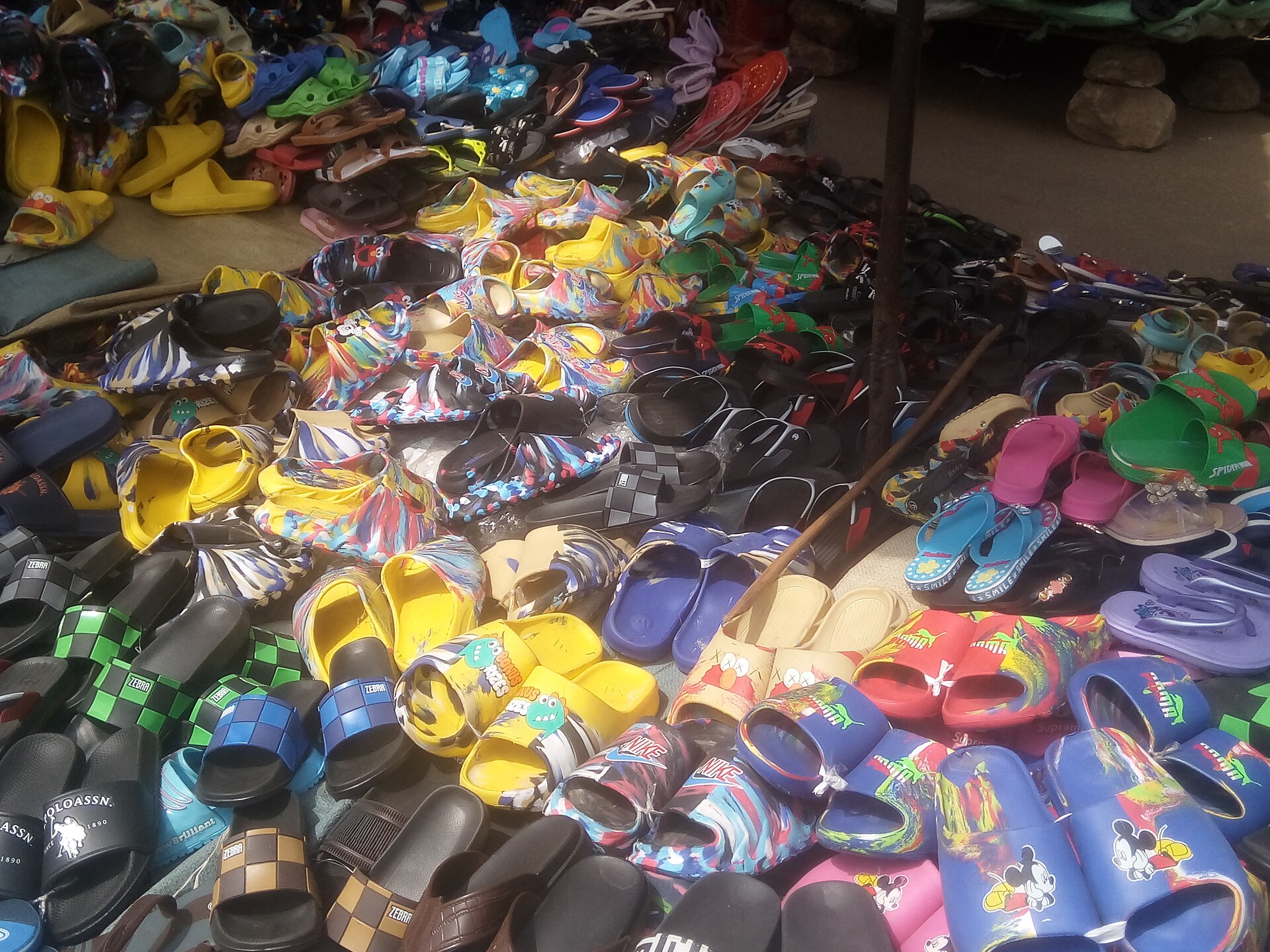
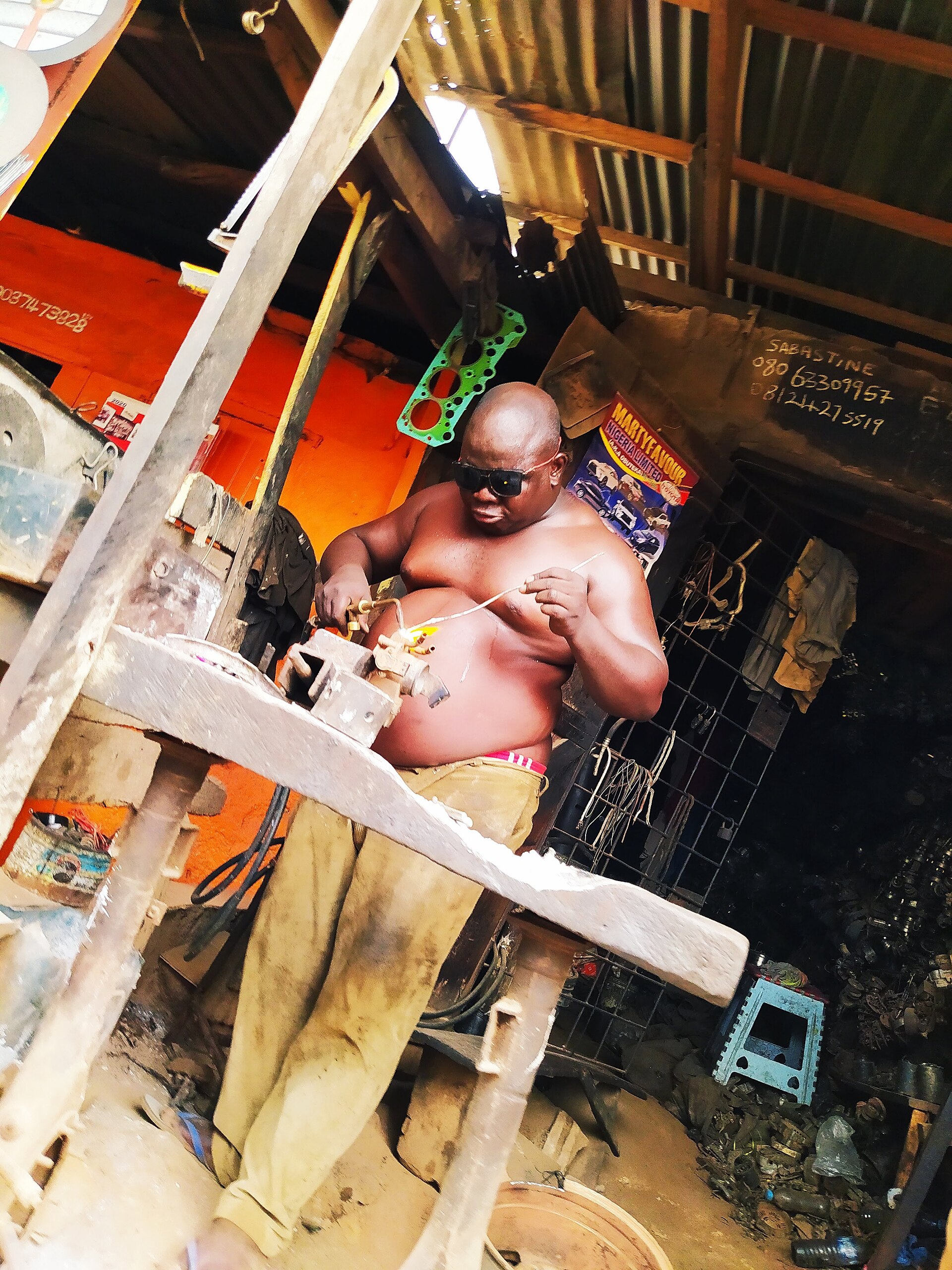
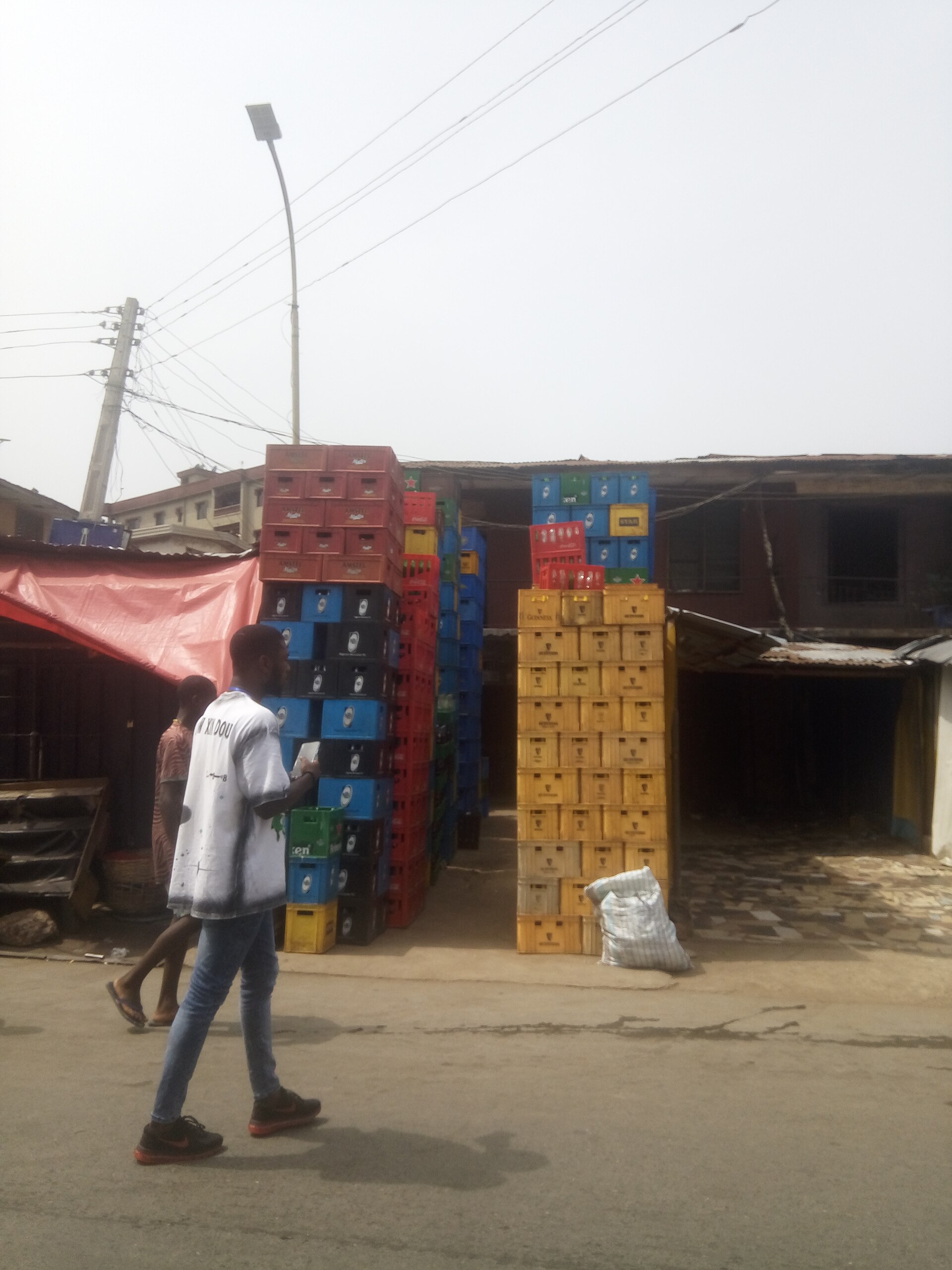
Walk the lanes of Onitsha Main Market or Ogbo Oye and the first impression is noise. The second is order. Basins, Ankara, generators in crates, phone accessories in their thousands. Traders extend goods on reputation. Boys who started as loaders become stall owners. A woman’s wrapper can be her ledger.
A river made a classroom
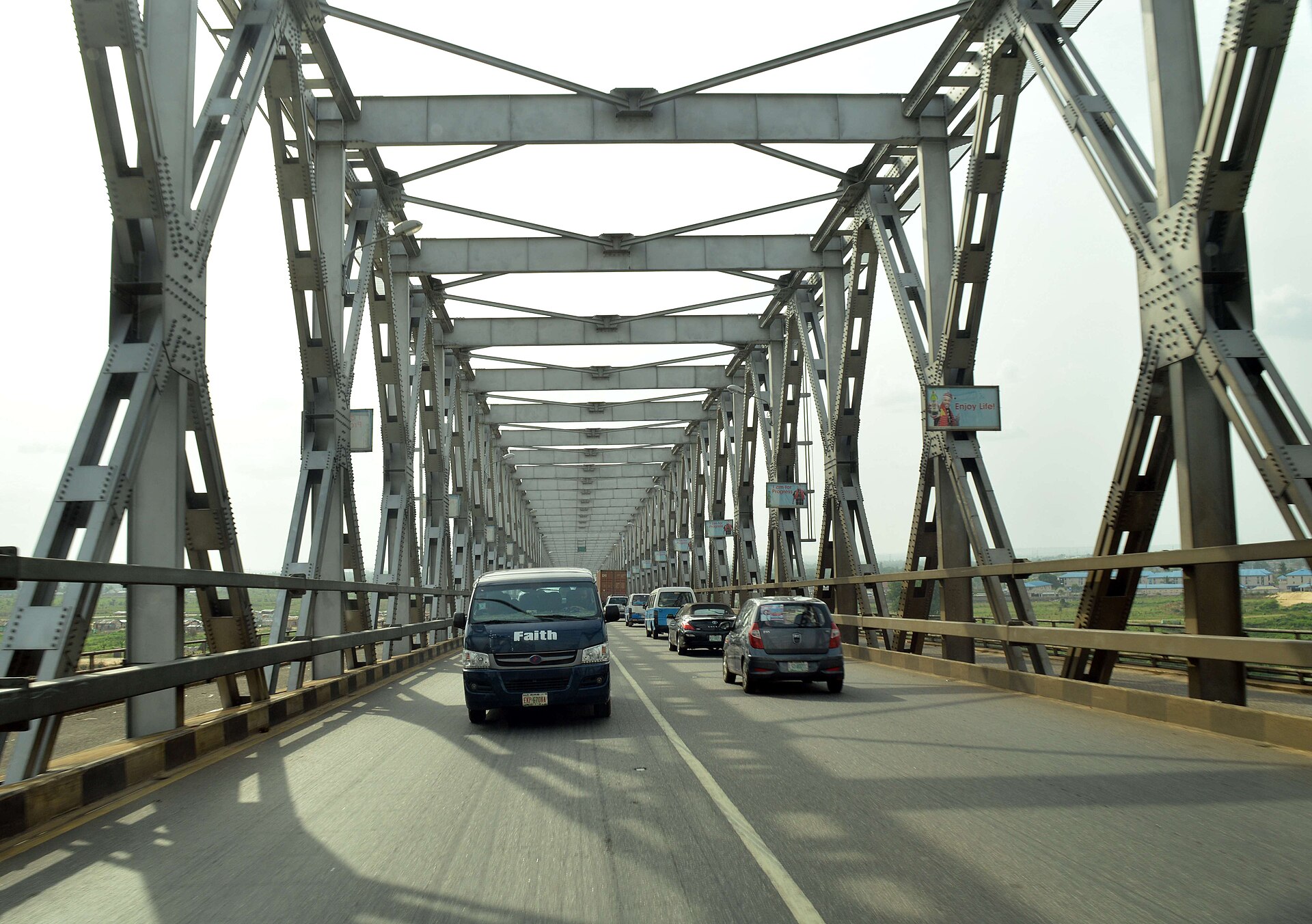
The Niger made Onitsha a hinge long before the second bridge. Palm oil went down. Cloth and iron came up. The town learned that a people who can move inventory can survive almost any government. That lesson travelled to Aba, to Alaba, to Guangzhou and Atlanta.
Formal banks still struggle to describe what the market already knows how to do. The igba bọyị apprenticeship — stay close, learn the books, receive a settlement, open your own shop — is the original startup accelerator. Researchers from Nigerian campuses to Harvard have tried to name it. The market did not wait for the paper.
Reform without erasure
Abuse exists. Informal labour exists. Reform is overdue. Erasure is not. Onitsha is not a relic. It is the operating system. The apps came later.
If you want to understand Igbo society in 2026, do not start with a press conference. Start here, before 8 a.m., when the shutters go up.