
Igba Bọyị and the Made-in-Aba Factory Floor
The Igbo apprenticeship did not begin in a seminar. It is how Ariaria still turns a boy with no capital into a man with a line of shoes.
Adaeze Okonkwo·20 May 2026·1 min read·0 views
Ala Igbo
Ala Igbo
Enugu · Onitsha · the diaspora
The Igbo apprenticeship did not begin in a seminar. It is how Ariaria still turns a boy with no capital into a man with a line of shoes.
Adaeze Okonkwo·20 May 2026·1 min read·0 views
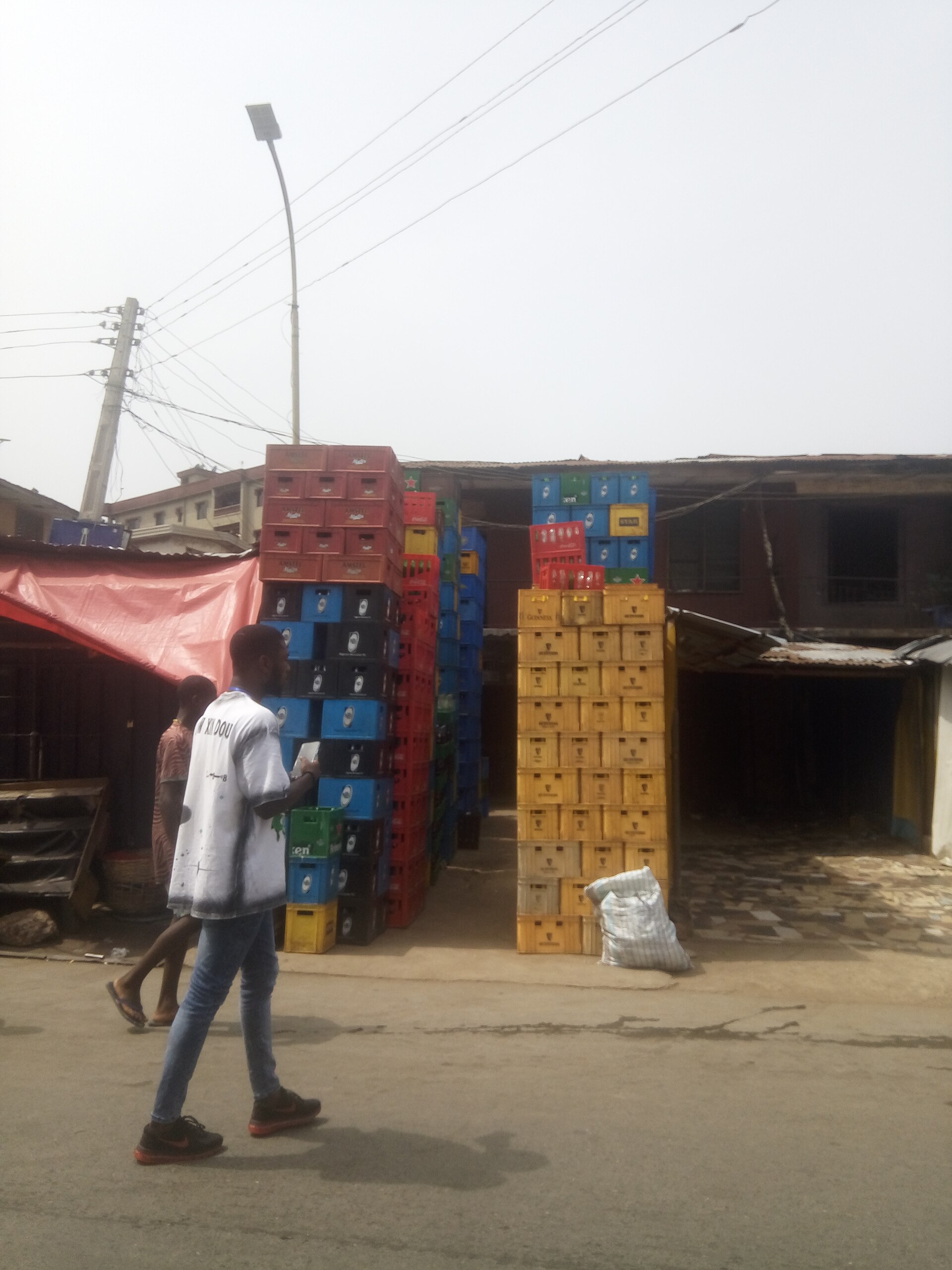
In Ariaria International Market, Aba, the most important contract is often unsigned. A boy lives in a master’s house. He learns suppliers, customers, the difference between a last that will last and one that will return. After years — not months — he is settled: stock, or cash, or both. Then he opens a stall and the town gains another firm.
This is not a TED Talk. Settlements are sometimes delayed. Some boys are used. Some masters fail. The romantic version of igba bọyị skips those sentences. A serious paper will not.
What the romantic version gets right is the outcome. Aba still produces shoes, bags, and garments that dress West Africa. “Aba-made” was once an insult. Under Alex Otti’s road works and Geometric’s light, it is becoming a label people say without lowering their voice.
Every industrial policy in Abuja eventually rediscovers what this market already is: clustered manufacturing, patient training, family credit. The missing pieces have always been power, roads, and a state that does not treat the cluster as a slum.
Give Ariaria those three and you do not need to invent an Igbo business culture. You only need to stop interrupting it.
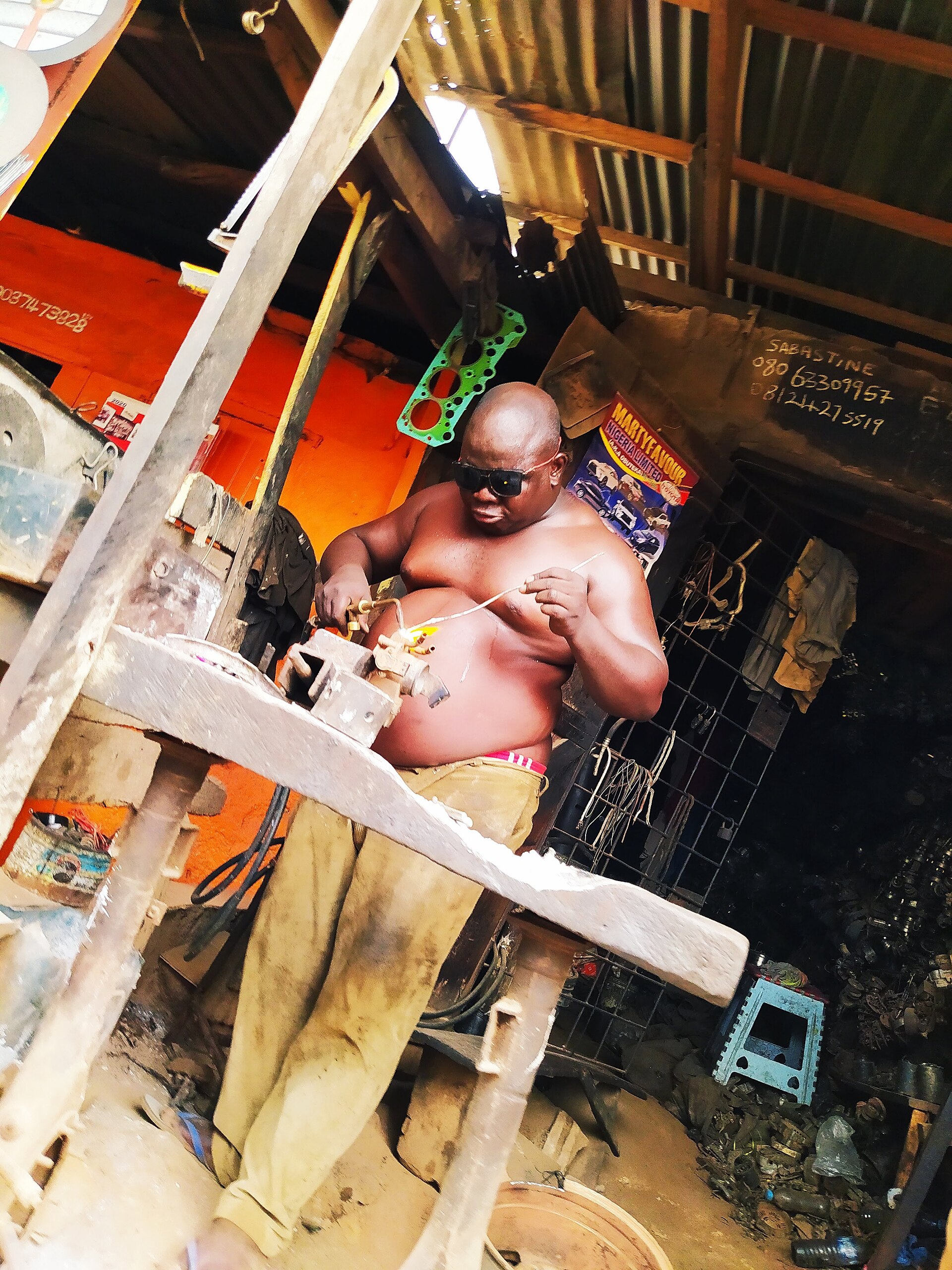
Governor Alex Otti told investors in June 2026 that Aba and eight neighbouring councils now run on Geometric Power — about 188 megawatts, off the national grid.
Adaeze Okonkwo · 9 Jun 2026 · 1 min · 1 views
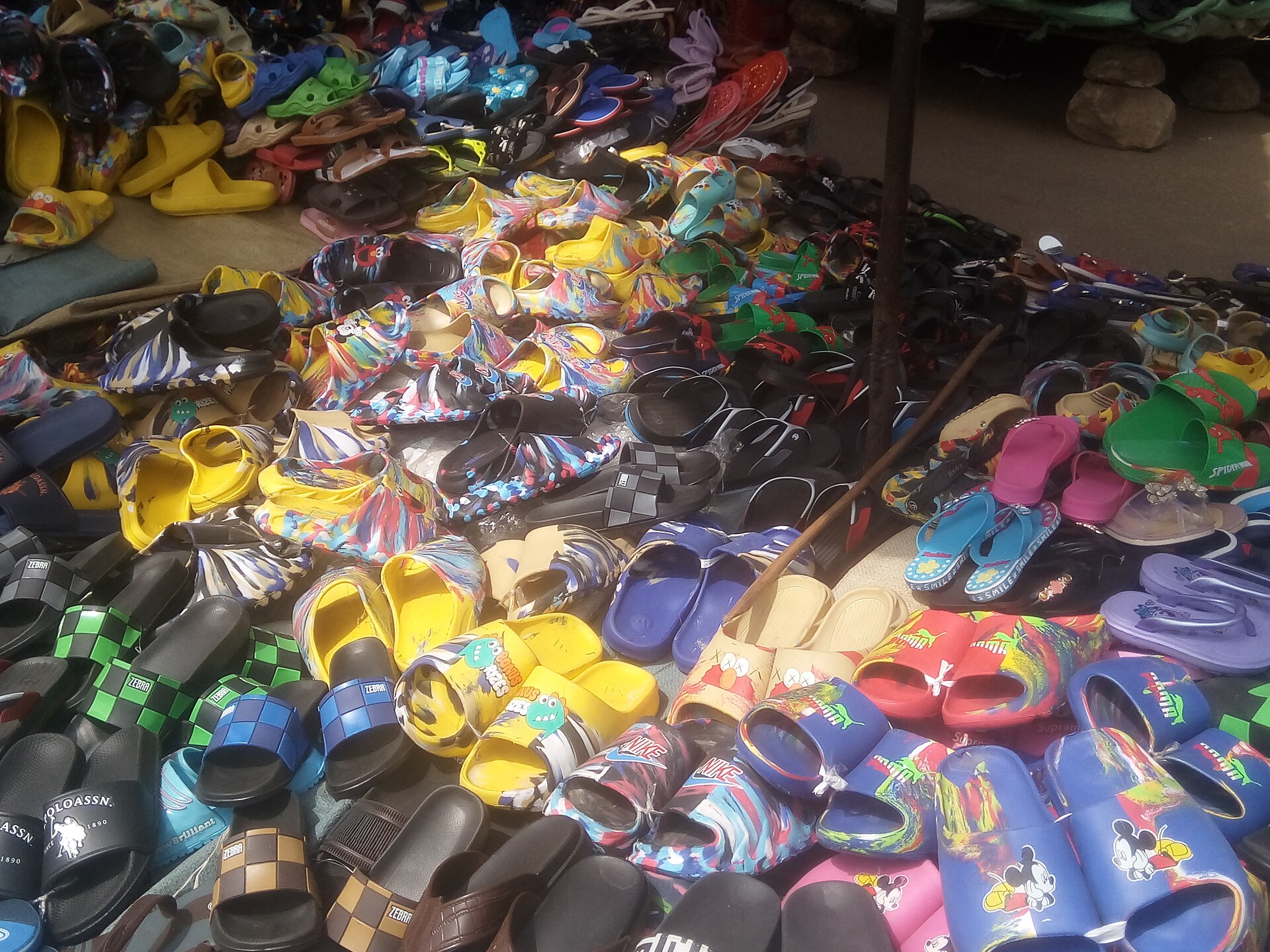
The stalls in these photographs are not a museum of trade. They are one of West Africa’s densest credit systems — still informal, still fast, still Igbo.
Chinedu Eze · 2 Apr 2026 · 1 min · 0 views
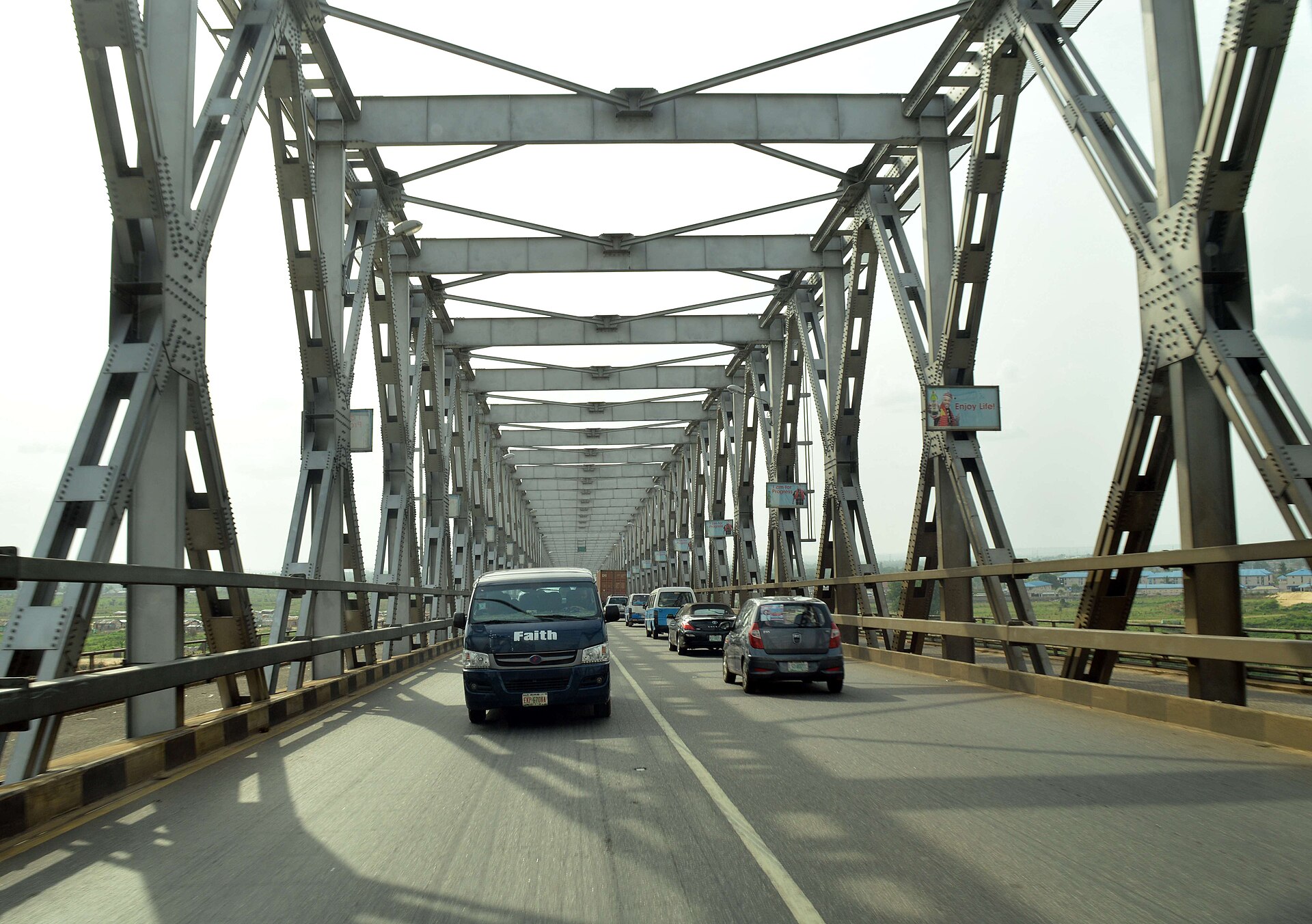
Opened to traffic in December 2022 and inaugurated in 2023, the 1.6-kilometre crossing between Asaba and Onitsha is now part of how the East moves goods.
Chinedu Eze · 18 Mar 2026 · 1 min · 0 views