
Mmanwu Season: When the Path Changes Colour
Masquerades at New Yam and civic festivals in Anambra are not costume contests. In towns that still keep the rule, they are a public theology.
Ifeanyi Nwosu·18 December 2025·1 min read·0 views
Ala Igbo
Ala Igbo
Enugu · Onitsha · the diaspora
Masquerades at New Yam and civic festivals in Anambra are not costume contests. In towns that still keep the rule, they are a public theology.
Ifeanyi Nwosu·18 December 2025·1 min read·0 views
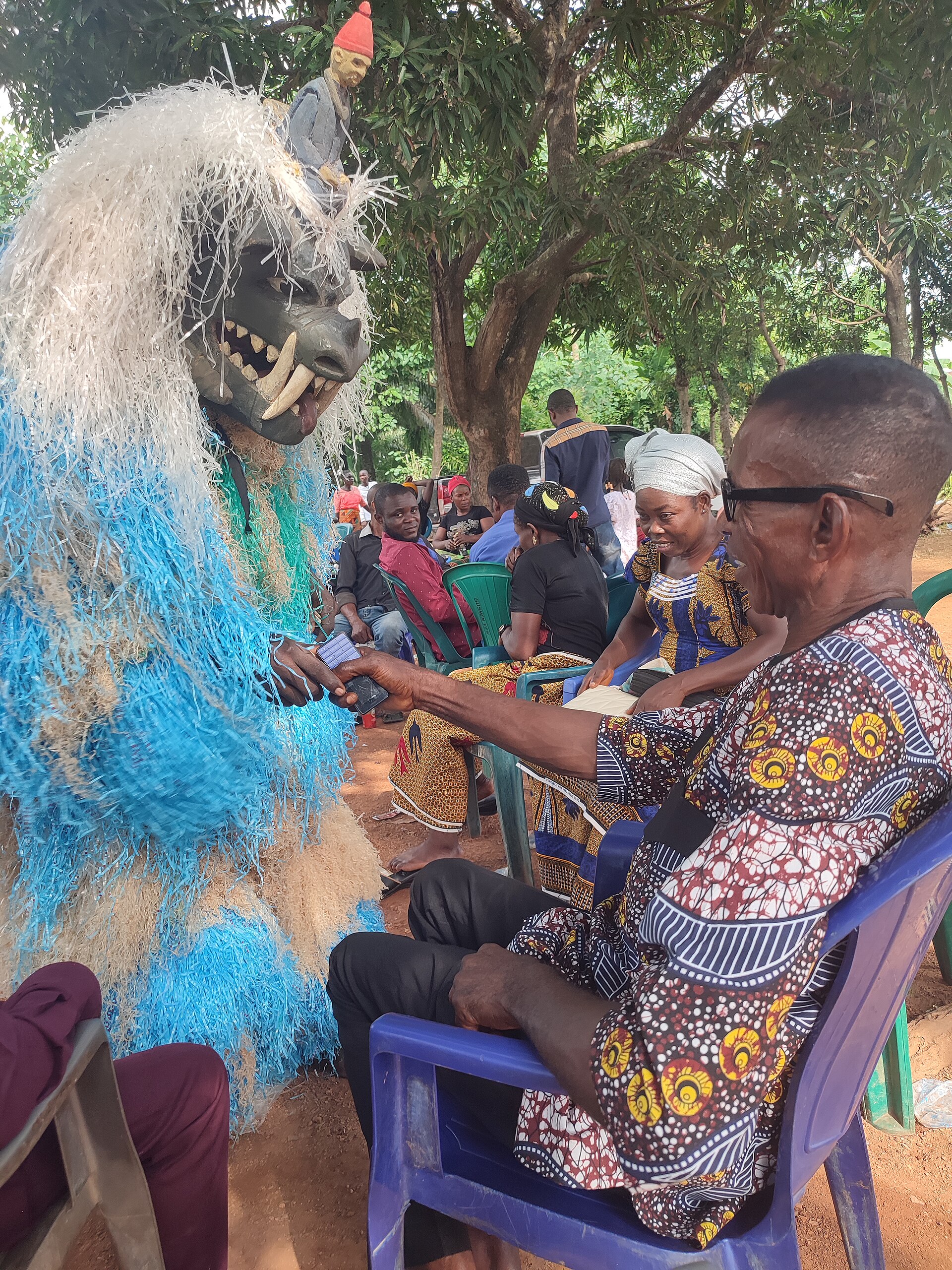
At dusk the dust changes colour. Drums tighten. Children are pulled behind their mothers. Then the mmanwu arrives — raffia, a carved face, a height that does not belong to any neighbour you know — and the path becomes a different country.
The lead photograph is a living masquerade, not a museum mannequin. So is the Abagana figure documented on the same roads of Anambra. These are not illustrations of “Igbo culture.” They are the culture, walking.
Tourism boards love the pictures. Initiates do not explain everything in them. A masquerade that can be fully narrated to a visitor has already been emptied. The old rule still holds in serious towns: some things are seen, some things are known, and the two lists are not the same.
Mmanwu once policed, entertained, judged, and frightened in the same afternoon. Colonial officers called it disorder. Villages called it government.
Urban festivals now hire dancers and rent headdresses. The crowd wants a show. The show is sometimes beautiful. It is not always mmanwu. The difference is whether anyone present still believes the figure can do more than dance.
When the last drum stops, the path is just a path again. The people who were there will not all tell the same story. That, too, is part of the design.
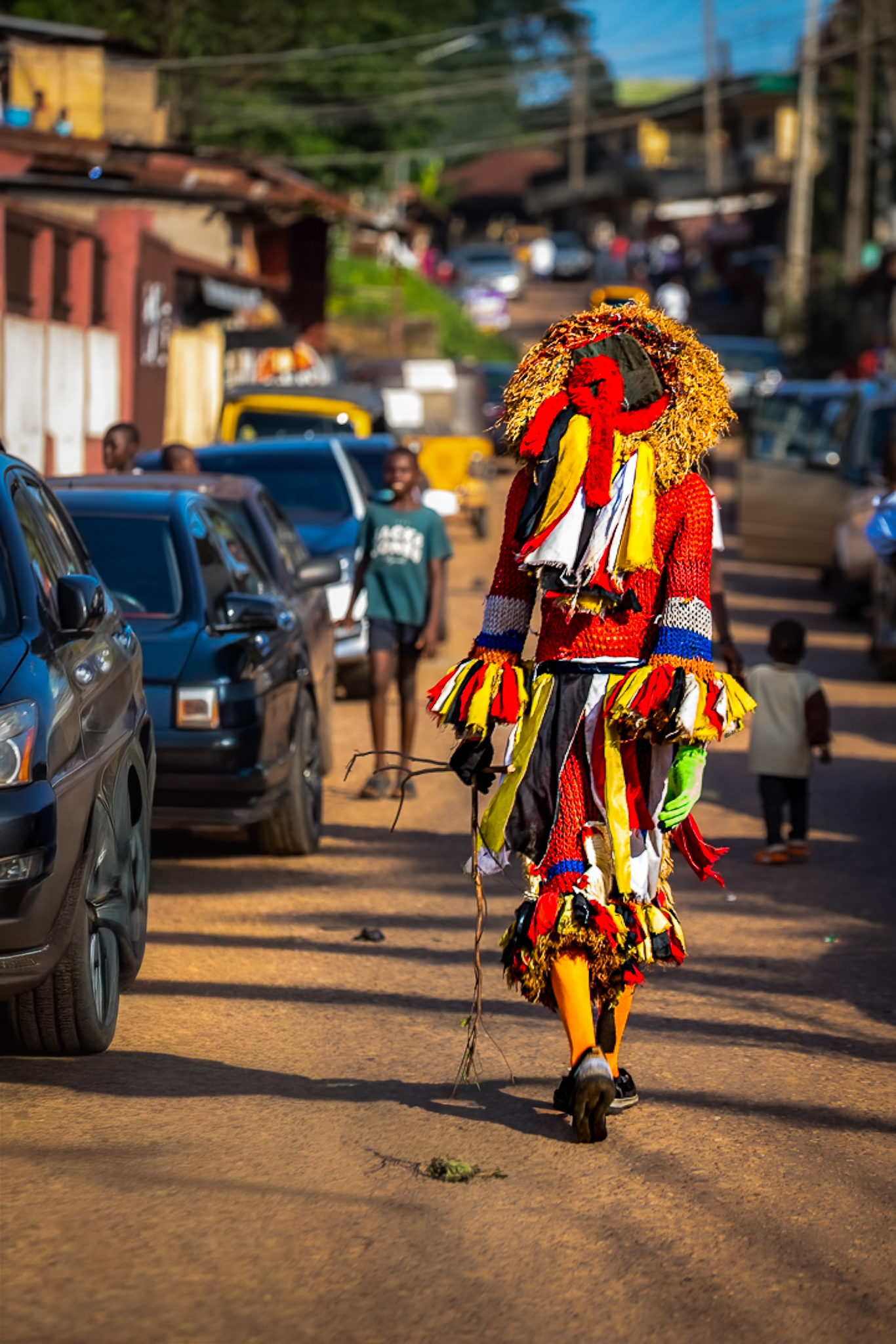
From Nsukka to Nnewi, the first new yam is still a public fact. The Otu Iche masquerade does not ask permission of the calendar.
Amaka Umeh · 12 Sep 2025 · 1 min · 0 views