
Iri Ji Still Opens the Igbo Year — Even When the Farm Has Moved
From Nsukka to Nnewi, the first new yam is still a public fact. The Otu Iche masquerade does not ask permission of the calendar.
Amaka Umeh·12 September 2025·1 min read·0 views
Ala Igbo
Ala Igbo
Enugu · Onitsha · the diaspora
From Nsukka to Nnewi, the first new yam is still a public fact. The Otu Iche masquerade does not ask permission of the calendar.
Amaka Umeh·12 September 2025·1 min read·0 views
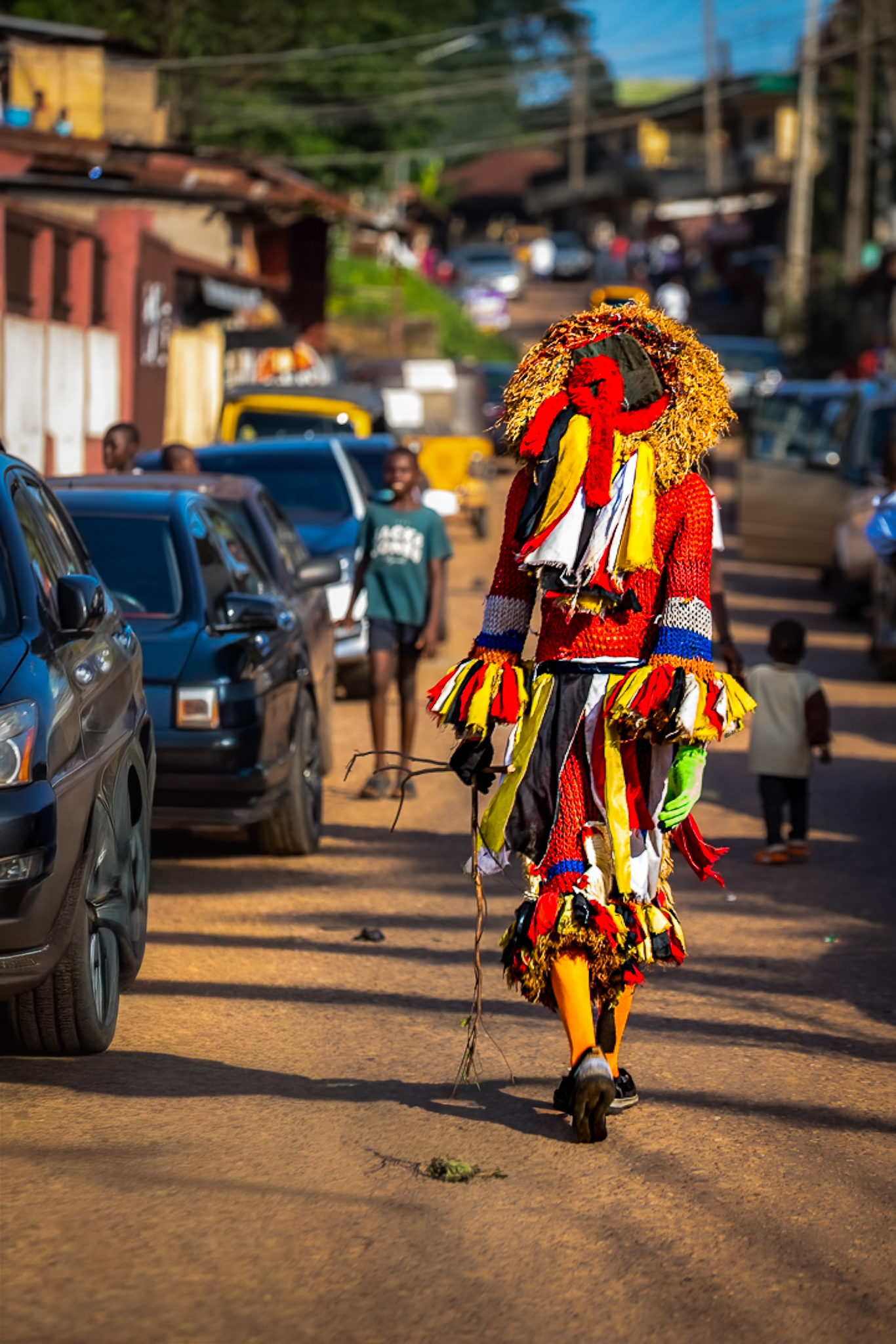
The photograph on this page is not a studio reconstruction. It is Otu Iche, a masquerade that walks at New Yam in Anambra — raffia, carved face, the harvest made visible. Iri Ji, or Iri Ji Ọhụrụ, remains the day many Igbo towns still treat as the true new year.
Before the first tuber is eaten, it is presented. Elders sit. Women carry the dishes that make the yam a meal and not a raw boast. In 2024 Enugu Governor Peter Mbah called the festival a pillar of culture, tourism, and agriculture. He was not inventing a brand. He was naming a rite that outlived the marketing department.
The barns are fewer. Many yams now arrive from farms a day’s drive away, or from a market stall. The rite has not surrendered. Diaspora chapters livestream the breaking of the yam to Houston and Manchester. Purists call this dilution. The people who organize it call it attendance.
A festival that only photographs well is already dying. Iri Ji still insists on being eaten. The oldest women still watch the first plate — not to police folklore, but to keep proportion. The politician, the influencer, and the hired dancer can all be in the square. They cannot be the point.
The yam is the point. As long as that remains true, the calendar of the East still has a beginning that is not 1 January.
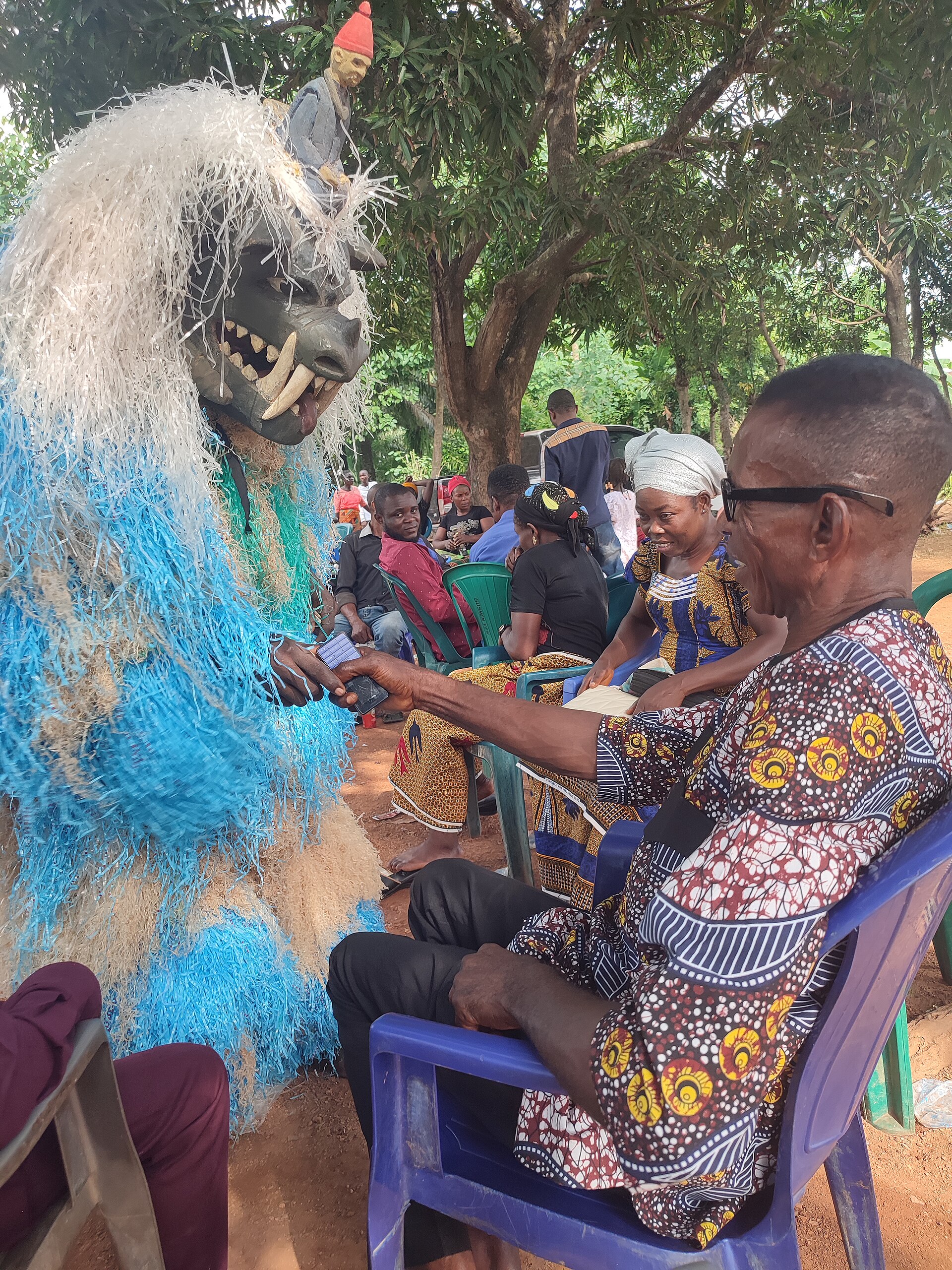
Masquerades at New Yam and civic festivals in Anambra are not costume contests. In towns that still keep the rule, they are a public theology.
Ifeanyi Nwosu · 18 Dec 2025 · 1 min · 0 views